Mira Dror Light Serum vs Paula's Choice Clinical 1% Retinol Treatment
Paula's Choice Clinical 1% Retinol Treatment scores 8.9/9.8 vs Mira Dror Light Serum at 6.2/9.8. Paula's Choice Clinical 1% Retinol Treatment wins for hydration.
Loading...
Paula's Choice Clinical 1% Retinol Treatment scores 8.9/9.8 vs Mira Dror Light Serum at 6.2/9.8. Paula's Choice Clinical 1% Retinol Treatment wins for hydration.
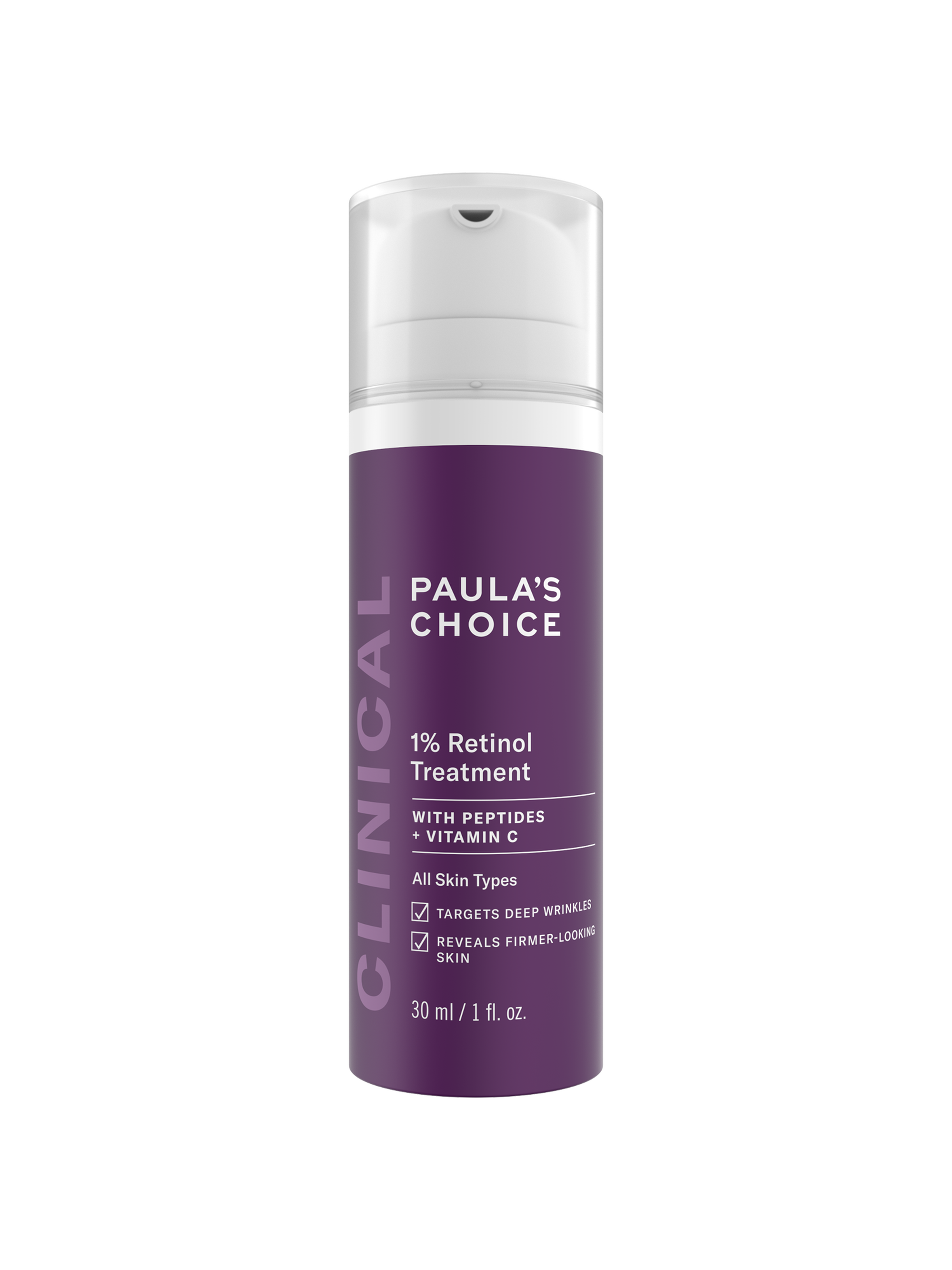
Paula's Choice Clinical 1% Retinol Treatment takes this one, winning 4 of 5 attributes.
Scores last verified: April 2026
14 unique
43 unique
Where Paula's Choice Clinical 1% Retinol Treatment really shines is hydration efficacy, scoring 9.8 compared to Mira Dror Light Serum's 4.0. With Glycerin, Butylene Glycol, and Sodium Hyaluronate in its top ingredients, Paula's Choice Clinical 1% Retinol Treatment delivers stronger moisture-binding capability.
Active Ingredient Strength is another area of separation. Paula's Choice Clinical 1% Retinol Treatment scores 7.1 here versus 2.0 for Mira Dror Light Serum. That difference comes down to how each formula is built — the ingredient list tells the story.
Paula's Choice Clinical 1% Retinol Treatment brings Retinol, Palmitoyl Tetrapeptide-7, and Dipotassium Glycyrrhizate as actives, while mira Dror Light Serum relies on Dimethylaminoethanol L-Bitartrate, Horse Chestnut (Aesculus Hippocastanum) Extract, and Witch Hazel (Hamamelis Virginiana) Extract. Both approaches have merit, but the positioning and supporting ingredients make the difference.
Mira Dror Light Serum is better if you have
Paula's Choice Clinical 1% Retinol Treatment is better if you have
Paula's Choice Clinical 1% Retinol Treatment comes in at mid-range pricing with a 8.9 score, which is solid value at that tier.
Paula's Choice Clinical 1% Retinol Treatment wins this comparison with a meaningfully stronger ingredient profile and overall score.

Based on ingredient analysis, Paula's Choice Clinical 1% Retinol Treatment scores higher overall. See the full score breakdown above for details on each attribute.
Yes, they share common ingredients. Check the ingredient face-off section above for a detailed comparison.
The key differences are in their active ingredients and formulation approach. Check the attribute battle above for a detailed breakdown.
We may earn a commission from purchases made through our links, at no extra cost to you. This helps us keep Gracie free and independent.
Some links on this site are affiliate links. We may earn a commission from purchases made through our links, at no extra cost to you. This helps us keep Gracie free and independent.
© 2026 Gracie. All rights reserved. Data sourced from Open Beauty Facts (ODbL) and EU CosIng.